What is planned today must be convincing tomorrow.

A new construction project begins with plans, floor plans, and visualizations. However, prospective buyers should already be able to envision their future home, a profitable investment, or an attractive business location in these materials.

Successful real estate marketing for new construction projects therefore combines positioning, project branding, visualizations, property brochures, project websites, and campaigns into a consistent brand presence.

Not every property needs the full package. But every one needs a clear idea of what makes it special—and for whom.

Real estate marketing doesn't start with the property brochure

Even before a name, logo, or website is created, the key questions must be answered: Who should be interested in the project? What factors matter most to this target audience? In which price and quality segment does the property fall? And how does it differ from comparable offerings?

A family-oriented residential project tells a different story than an urban apartment building, a commercial property, or an exclusive vacation chalet.

Location alone is rarely sufficient for positioning. “Centrally located,” “high-end amenities,” and “modern design” now apply to a surprisingly large number of projects. Effective real estate communication therefore highlights the features that are truly relevant and distinctive.

A construction project becomes a project brand

A project brand gives the property an identity even before it has a facade. It creates brand recognition and ensures that all elements work together cohesively.

Depending on the scope of the project, this includes:

  • Project name and tagline
  • Logo, colors, and typography
  • Visual identity and visualization style
  • Key messages and tone
  • Design system for the website, property brochure, and campaign

The brand should not be forced onto the project. It must evolve from the architecture, location, target audience, and character of the property.

A low-key townhouse doesn’t need to look like a resort. And a commercial project doesn’t become more compelling just because you call it a “work-life campus.”

Visualizations Show More Than Just Architecture

In new construction projects, what’s being marketed is usually something that can’t yet be viewed in person. Visualizations therefore play a key role in convincing potential buyers.

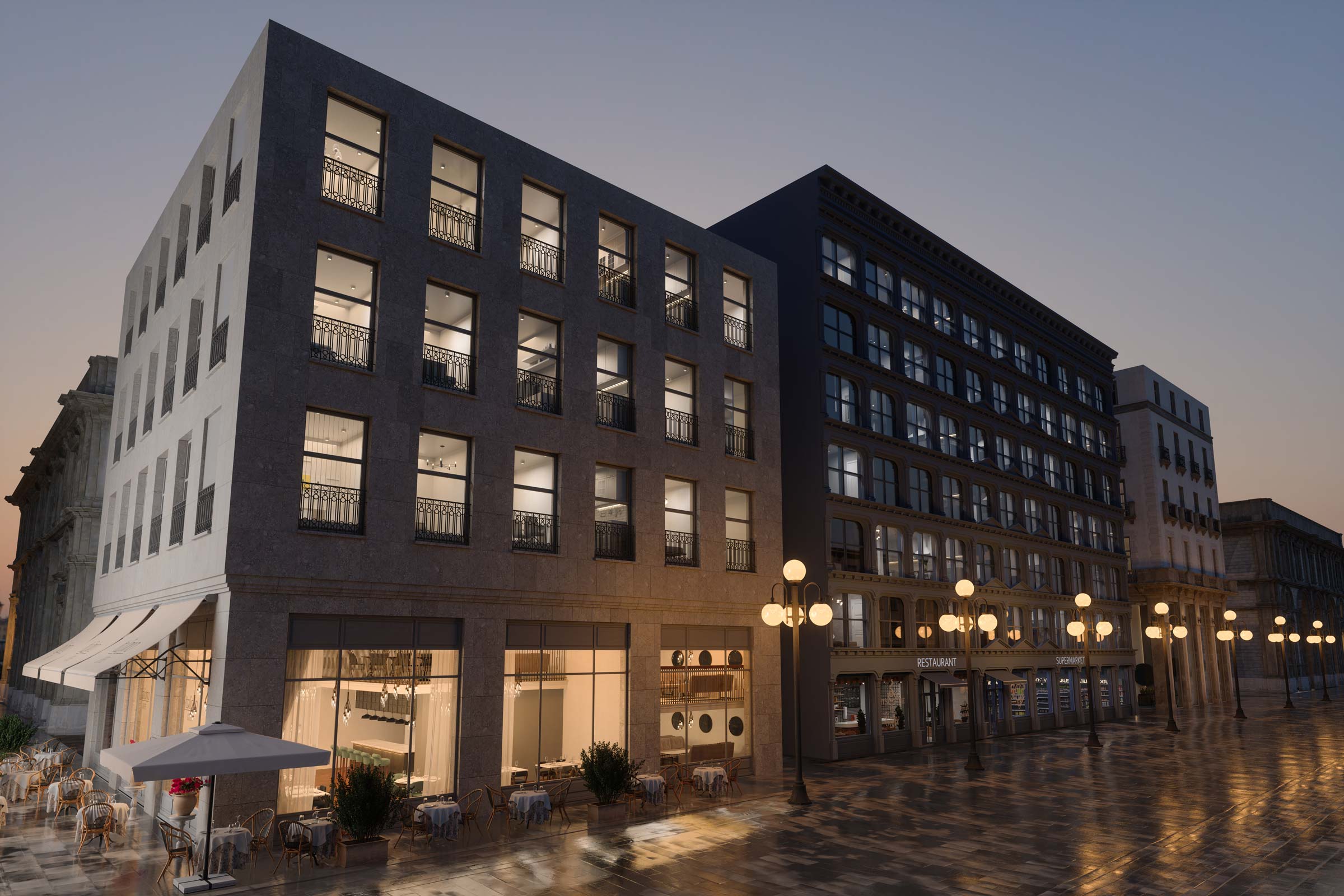
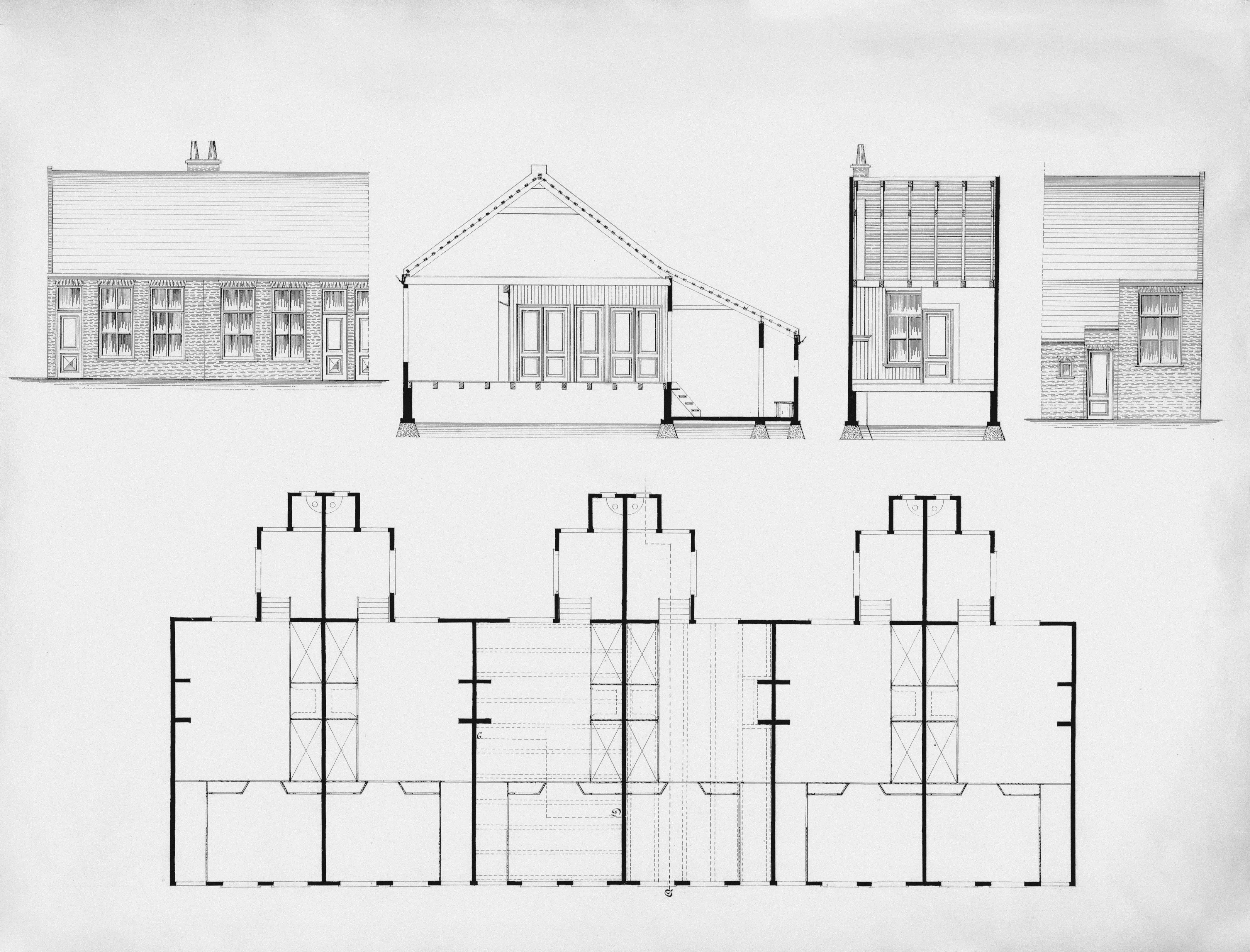
Good renderings do more than just show rooms and facades. They convey light, materials, proportions, and atmosphere. Floor plans, site plans, and information on finishes and features supplement the emotional image with the necessary facts.

Consistency is key here: if architectural visualizations, the property brochure, and the website each use a different visual language, the result is not a cohesive presentation but a disjointed one.

The project website is more than just a digital brochure

The project website is the central hub for marketing. This is where campaigns, search queries, recommendations, and leads from real estate portals all come together.

It can explain the project concept, showcase the architecture and location, display available units, provide floor plans, and guide prospective buyers directly to the inquiry form. The goal is not to show as much as possible, but to answer the right questions as quickly as possible.

A clear structure is also important for Google and AI searches. Location, property type, use, target audience, amenities, and project status must be clearly identified. If people have to painstakingly piece together this information themselves, a search engine will also have a hard time categorizing it.

In the end, it's the teamwork that counts

Prospective buyers encounter a real estate project through many touchpoints: websites, property brochures, social media, ads, real estate portals, construction signs, or sales presentations.

If each of these touchpoints tells a different story, diversity quickly turns into inconsistency. Successful real estate marketing therefore ensures that all initiatives maintain the same positioning—visually, linguistically, and in terms of content.

Our ASKO case study illustrates how this works in practice: from the strategic foundation to the brand identity and consistent implementation across relevant media.

vierzehn02 develops real estate marketing for property developers, project developers, investors, real estate agents, and property owners. Not as a collection of individual measures, but as a system that supports sales.

Can I help you?

Mariam Purtseladze
Project Manager

Have we piqued your interest, or do you have any questions for us?
Feel free to send us an email with your inquiry.

Porträt von Mariam Purtseladze, Projektmanagement – freundlich lächelnd vor neutralem Hintergrund.

Not what you're looking for?

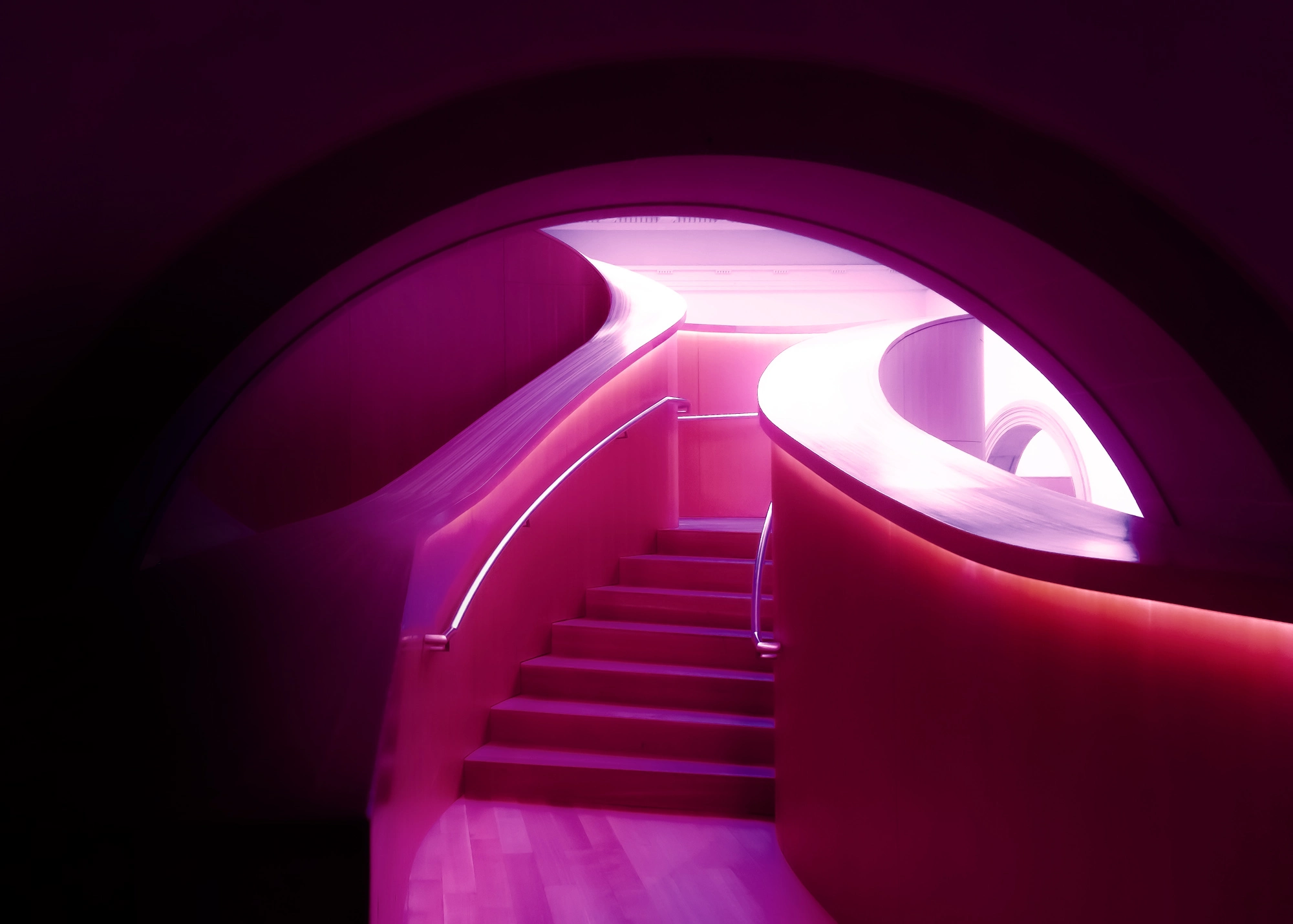
  • Moderne geschwungene Treppenarchitektur mit magentafarbener Beleuchtung – Immobilienmarketing und Architekturinszenierung
    view
    more

    Real Estate Marketing

  • Abendansicht eines modernen Immobilienensembles mit beleuchteten Fenstern, Gastronomie und urbanem Straßenraum
    view
    more

    Strategy & Positioning in Real Estate Marketing

  • view
    more

    Real Estate Branding & Visualization

Communication is everything

Tell us about your new project. We have lots of ideas!

Contact Form

Contact Details
Your Message